
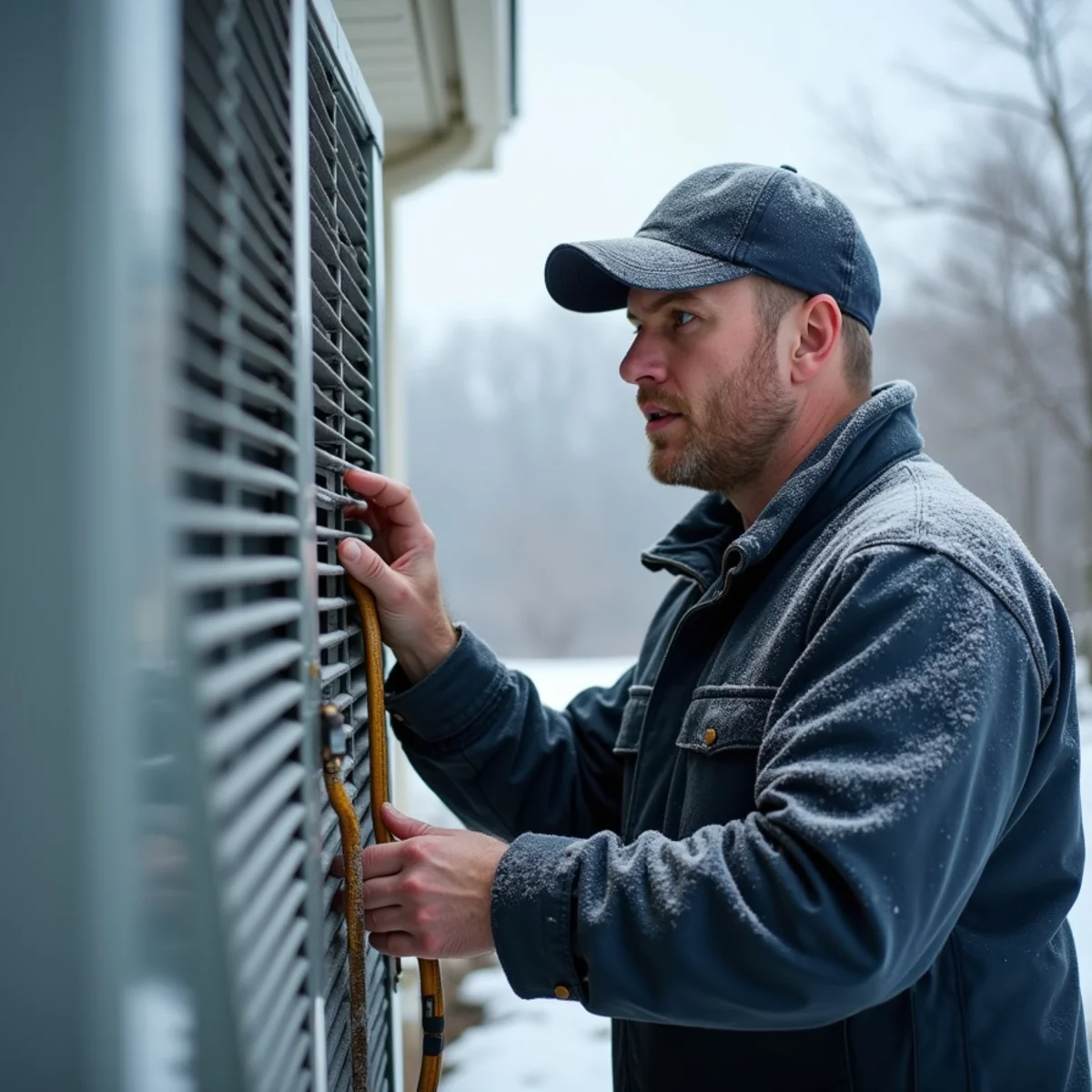
Outside Somerset's natural gas lines, the standard home system is an electric heat pump with auxiliary heat strips — one unit that cools in summer and heats in winter. South Kentucky RECC, headquartered right in Somerset, serves much of the county and has long encouraged heat pumps. When yours stops keeping up, QC Heating & Cooling Pros has technicians who genuinely understand these systems, not just gas furnaces.
We repair heat pumps that have iced over, lost heat, or gotten stuck running expensive backup heat; we install and replace them; and we fit ductless mini-splits where ductwork does not reach. We answer 24/7 at (321) 478-0693.
Why most homes around Somerset heat with a heat pump
Inside the city, Somerset Gas Service makes gas furnaces practical. Step outside the mains and running a gas line is not an option, so homes heat with electricity. A heat pump is far more efficient than electric furnace strips for most of the winter because it moves heat rather than making it, which is why the local co-op has pushed them for decades.
That makes the heat pump the workhorse of Pulaski, Wayne and Russell county homes — and it means a lot of local HVAC companies, set up around gas, are less fluent in them than we are. The difference shows when a system is "sort of working" and the fault is subtle.
Heat pump problems we repair: no heat, iced-over outdoor unit, stuck reversing valve
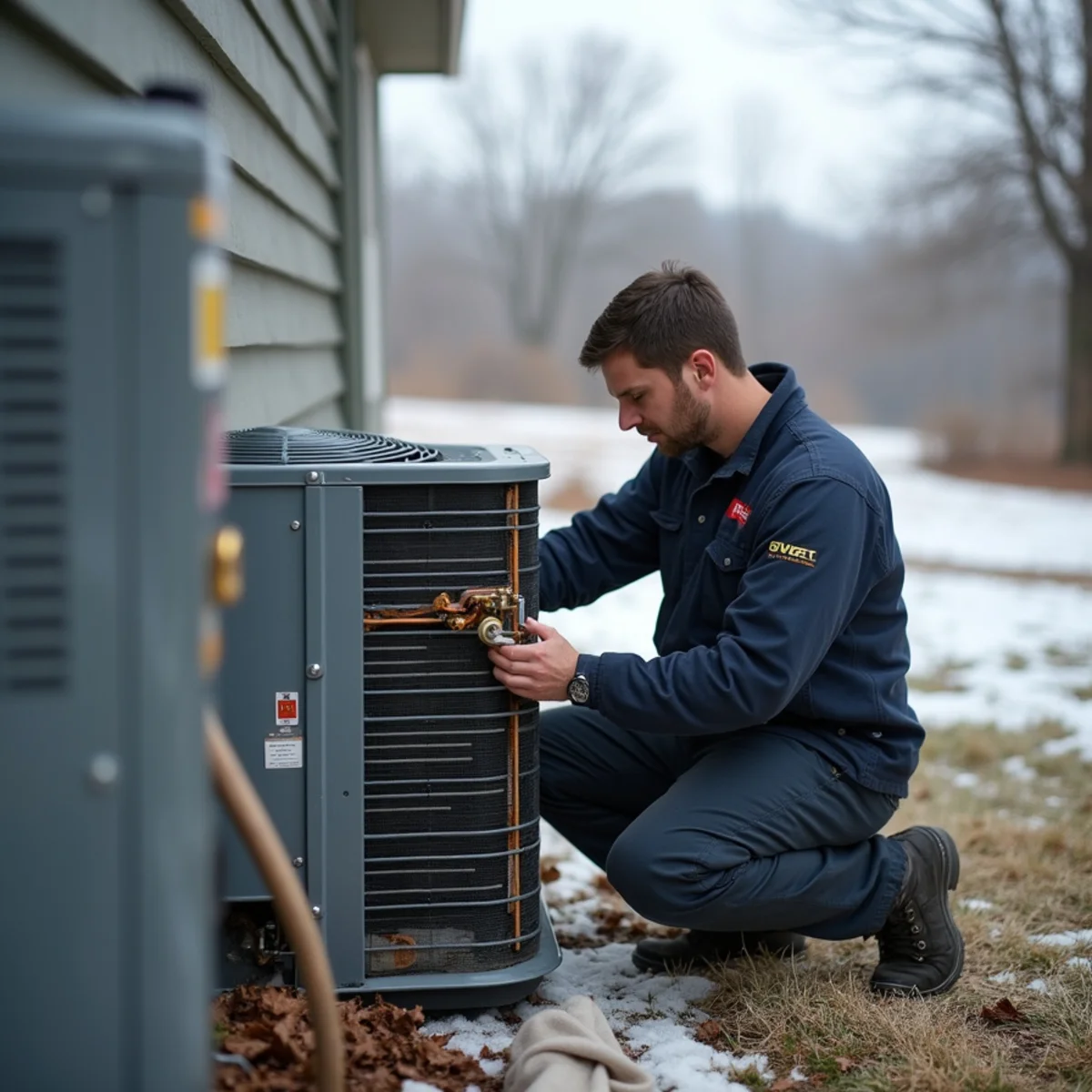
A heat pump in heating mode pulls warmth from the outside air and moves it indoors, running the refrigeration cycle backward. When it fails, the symptoms differ from a furnace: the air at the vents feels cool rather than hot (heat pump air is naturally cooler than furnace air), the outdoor unit ices up and will not clear, or the system runs constantly without reaching the thermostat setting.
Common repairs include a failed defrost control or sensor, a stuck reversing valve (the part that switches between heating and cooling), low refrigerant from a leak, a failed outdoor fan motor, and contactor or capacitor failures just like an AC. We diagnose which, and give you the price before we fix it.
Auxiliary and emergency heat: why the electric bill jumps in a cold snap
Every heat pump has a backup: electric resistance heat strips (auxiliary heat), the same technology as an electric furnace. When it gets cold enough — Somerset's teens and single digits in a cold snap — the heat pump cannot pull enough heat from frigid air, and the strips kick in to help. That is normal, and it is also why your bill spikes in a hard freeze.
What is not normal is a heat pump that runs on strips when it is 40°F out. That means the heat pump side is not working — low charge, a stuck reversing valve, a defrost fault — and you are heating the whole house with the most expensive heat there is. If your bill jumped and the "aux heat" or "emergency heat" light is on in mild weather, call us; there is a real problem to find.
Defrost cycle or real failure? How to tell
In winter a heat pump deliberately frosts, then runs a defrost cycle: for a few minutes it reverses, the outdoor fan stops, you may see steam rising off the unit, and the indoor backup heat comes on so you do not feel a cold draft. A light coat of frost that clears every hour or so is the system doing its job.
A solid block of ice that encases the coil and fan and never clears is a failure — a bad defrost board or sensor, low refrigerant, or a stuck valve. The quick test: if the unit is iced solid for hours and the house is losing temperature, it is not a normal defrost. Turn it to emergency heat to protect the house and call for repair.
Heat pump replacement: sizing, efficiency ratings and cold-climate models
When a heat pump reaches the end of its life — typically 12 to 15 years here, since it runs year-round — replacement is a chance to fix comfort problems the old one never solved. The single most important step is correct sizing: a load calculation for your actual home, not a guess based on square footage. An oversized heat pump short-cycles and leaves the house humid; an undersized one runs on strips all winter.
Newer cold-climate heat pumps hold their heating capacity to much lower temperatures than units from 15 years ago, which matters on a Somerset January morning. We walk you through efficiency ratings (SEER2 for cooling, HSPF2 for heating) in plain terms and match the equipment to your home and budget.
Dual fuel: pairing a heat pump with a gas or propane furnace
A dual-fuel system pairs an efficient heat pump with a gas or propane furnace. The heat pump handles the mild majority of the winter cheaply; when the temperature drops below a set point, the system switches to the furnace, which makes strong heat without the electric-strip penalty. For a Somerset home with city gas, or a county home with a propane tank, dual fuel can be the lowest-operating-cost setup there is.
It is not right for every home — it costs more to install and needs both systems maintained — but where it fits, it fits well. We will tell you honestly whether your home is a good candidate.
Ductless mini-splits for additions, sunrooms, garages and lake cabins
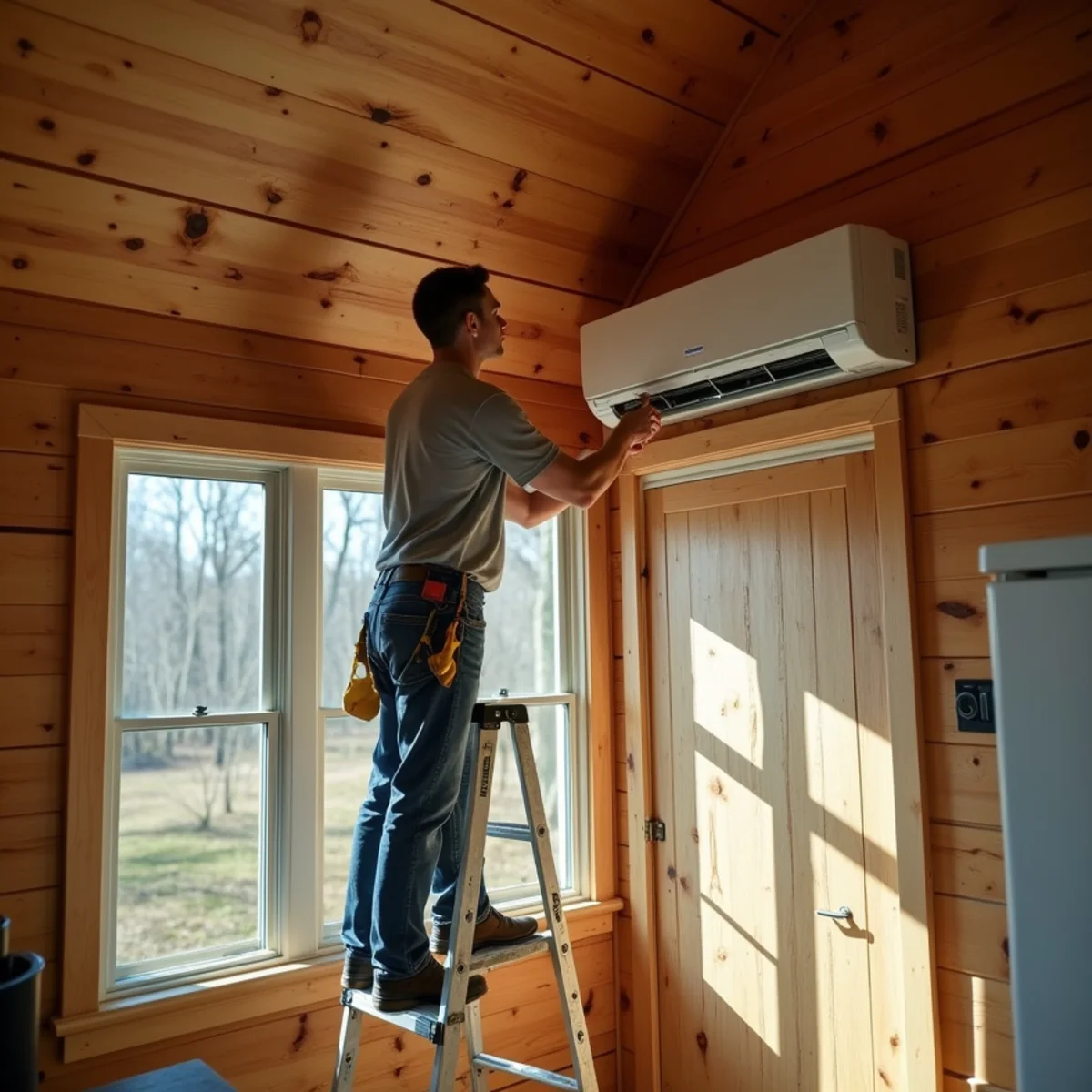
Not every space has ductwork. A converted garage, a sunroom, a bonus room over the garage, a workshop, or a Lake Cumberland cabin often has no good way to tie into the main system. A ductless mini-split — a small outdoor unit feeding one or more wall or ceiling heads — heats and cools those spaces efficiently without tearing into the house for ducts.
They are also a strong fit for lake cabins and rentals that sit empty for weeks: a mini-split can hold a space at a low "away" setting cheaply, keeping humidity in check, then bring it to comfort quickly before guests arrive. We install and repair single- and multi-zone mini-splits across the area.
South Kentucky RECC and utility rebates to ask about
South Kentucky RECC has historically run heat pump incentive and retrofit programs for its members, and there are periodic federal tax credits for high-efficiency equipment. These programs change from year to year — amounts, eligibility and paperwork all shift — so we name them and tell you to confirm the current terms directly before you count on anything.
What we will never do is quote you a guaranteed rebate figure or promise a tax credit. We will help you understand what to ask your utility and your tax advisor so you capture whatever is actually available when you buy.
The Heat Pumps process, step by step
Heat pumps fail in ways a furnace never does, so the diagnosis matters as much as the fix. Here is how we work a heat pump call around Somerset.
- 1
Live call and triage
A real person answers 24/7, gathers the symptoms — iced-over unit, cool air, a bill that jumped, constant running — and, if you have lost heat, tells you to switch to emergency heat to protect the home while we come.
- 2
Heat-pump-specific diagnosis
We test the parts generalists miss: the defrost board and sensor, the reversing valve, the refrigerant charge, the outdoor fan motor and how the auxiliary heat is staging. The symptom narrows it; the measurements confirm it.
- 3
Price before work
You get the repair and price in writing before any part goes in. If the system has been running on expensive backup strips, we explain what that is costing you and why.
- 4
Repair and verify
We make the repair, run a full heating cycle, confirm the defrost cycle works and the system is heating off the compressor rather than leaning on the strips, and check the temperature at the vents.
Why choose QC Heating & Cooling Pros for Heat Pumps
A heat pump is not a gas furnace, and a company set up around gas often fumbles the subtle faults. Here is why county homes call us:
Genuinely heat-pump fluent
These systems are the workhorse of homes on South Kentucky RECC lines, and we diagnose them properly — not as an afterthought to gas furnaces.
We catch "stuck on aux heat"
A heat pump leaning on electric strips in mild weather quietly doubles your bill. We find why, instead of just topping off refrigerant and leaving.
Repair, replace and ductless
One team for heat pump repair, cold-climate and dual-fuel replacement sizing, ductless mini-splits, and the South Kentucky RECC rebate questions to ask.
Licensed, insured, EPA-certified
Every technician is licensed and insured in Kentucky and EPA Section 608-certified for the refrigerant work heat pump service requires.
Areas we cover around Somerset
We serve Somerset and Pulaski County and out across the 40-minute ring. See our full service-area map, or jump to a nearby town:
Frequently asked questions
Why is my heat pump blowing cool air in heating mode?
Some of this is normal — heat pump air comes out around 90-100°F, cooler than furnace air near 120-140°F, so it can feel lukewarm against your skin. But genuinely cold air means a problem: the system may be stuck in cooling, low on refrigerant, in an extended defrost, or the reversing valve may be stuck. If the house is losing temperature, switch to emergency heat and call us.
Is ice on my outdoor unit normal in winter?
A light frost that clears during the regular defrost cycle is normal. A solid block of ice that covers the coil and fan and never melts is not — it points to a defrost control fault, low refrigerant, or a stuck valve. If it is iced solid for hours, turn the thermostat to emergency heat to protect the home and call for repair.
Does South Kentucky RECC offer rebates for a new heat pump?
South Kentucky RECC has run heat pump programs for its members, and federal tax credits for efficient equipment come and go. The amounts and rules change every year, so we name the programs and tell you to confirm current terms with the co-op and your tax advisor rather than quoting a figure we cannot guarantee.
Will a heat pump keep up when Somerset drops into the teens?
A properly sized modern heat pump, backed by its auxiliary heat, keeps a Somerset home comfortable through our cold snaps — the backup strips are designed to help on the coldest mornings. Older or undersized units lean on those strips more, which drives up the bill. A cold-climate model or a dual-fuel setup handles deep cold most efficiently.
Why is my electric bill so high with a heat pump?
A spike during a hard freeze is normal — the backup electric strips help the heat pump on the coldest mornings, and strip heat is expensive. What is not normal is a high bill in mild weather, in the 40s and 50s, which usually means the heat pump side is not working and you are heating the whole house with the costly strips. Low refrigerant, a stuck reversing valve or a defrost fault are the common causes, all worth finding before the next bill.
Still have a question, or need help right now?